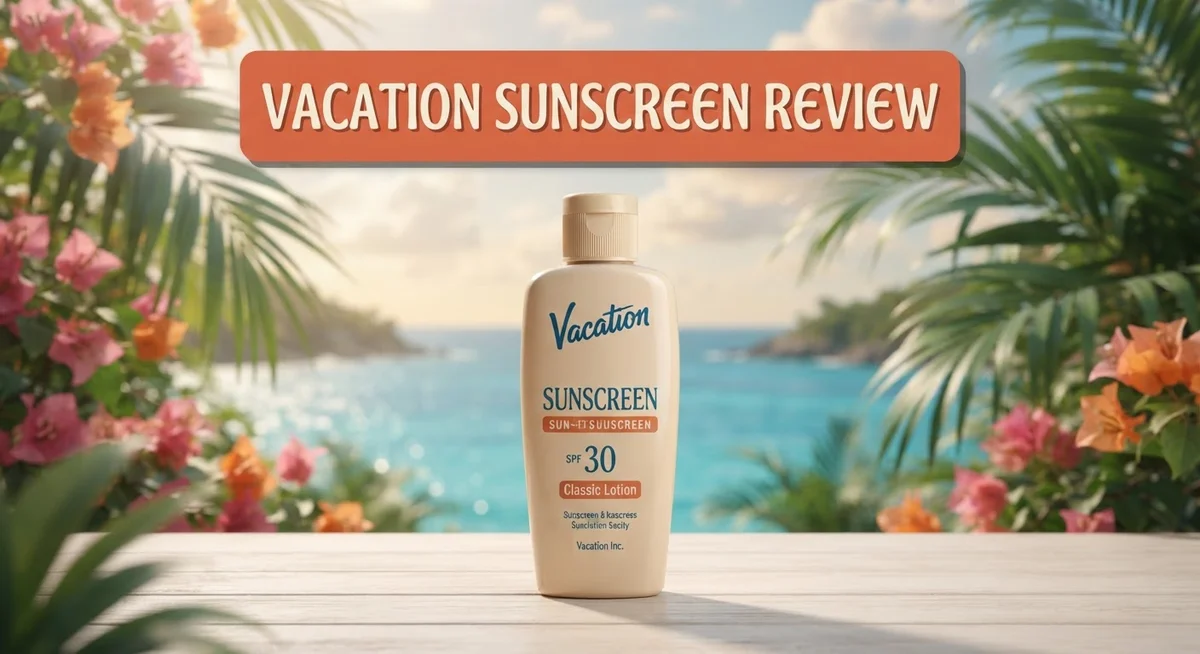
Planning a vacation? Your skin deserves protection that actually works. Vacation sunscreen promises to shield you from harsh sun rays while keeping your skin soft and happy.
This review dives into a popular sunscreen line with multiple formats. You get lotions, sprays, sticks, and gels. Each one targets different skin needs and vacation activities.
But every product has trade offs. Some formats raise concerns about inhalation risks or ingredient safety. We’ll break down these pros and cons clearly.
By the end of this review, you’ll know if this sunscreen fits your beach bag. Let’s explore what makes it a vacation favorite and where it falls short.
In a Nutshell
Here’s the quick rundown before you pack this for your trip.
- Multiple formats available: Choose from lotion, gel, spray, or stick. Each one fits a different vacation need, from beach days to quick touch ups.
- Skin friendly ingredients: Niacinamide and banana extract join the mix. These add extra care for sun exposed skin.
- Dermatologist approved: Skin experts back this formula. That gives you added confidence before you apply it.
- Legally compliant formula: This sunscreen meets Hawaii Act 104 standards. It skips ingredients that harm coral reefs.
- Some safety flags exist: The EWG raises concerns about allergies and toxicity. The spray version also carries inhalation risks.
- Sibling products offer options: The brand makes other versions too. Crystal Face Gel and Baby Oil SPF 30 serve sensitive skin needs.
This sunscreen brings real benefits to your vacation routine. But it also comes with a few concerns worth knowing.
Weigh these points before your next trip. Your skin will thank you for the extra thought.
Key Ingredients & Formulation
Vacation Sunscreen breaks down its protection into several smart formulation choices. Each format serves a different need, so let’s explore what makes each one work.
The Classic Body Lotion SPF 50 uses a creamy base that absorbs quickly. Coconut oil keeps skin soft without leaving a greasy residue. Aloe vera soothes sun exposure, while shea butter locks in moisture. This combination works well for extended beach days.
The Mineral Lotion SPF 30 takes a gentler approach. Mineral sunscreens sit on top of skin rather than absorbing into it. This makes them ideal if you have sensitive skin or prefer a physical barrier. The formula still includes nourishing coconut oil and aloe vera.
The Face Gel concentrates on lighter coverage. Niacinamide strengthens your skin barrier, and banana extract adds antioxidants. Gel textures feel less heavy on facial skin, which many people prefer during vacation heat.
The Stick format offers convenience. You can apply it directly without messy hands. This works great for touch ups during the day or for hard to reach spots like ears and shoulders.
The Spray option provides quick application, but carries real concerns. Inhalation risks exist when you spray sunscreen into the air. Dermatologists often warn against spray formats for this reason.
Vitamin E appears across multiple formulations. This ingredient protects against free radicals that sun exposure creates. It also supports skin healing after sun exposure occurs.
The brand ensures formulations meet Hawaii Act 104 standards. This law protects coral reefs by restricting certain chemical ingredients. It shows the brand considers ocean safety alongside skin safety.
However, the EWG flags some concerns about allergies and immunotoxicity in certain formulations. Developmental and reproductive toxicity concerns also appear on their list. These flags don’t mean the product is unsafe, but they suggest caution if you have specific sensitivities.
Understanding these ingredients helps you pick the right format. Your vacation skin needs match the formulation that fits your routine best. Consider your activity level, skin type, and application preferences when choosing which Vacation Sunscreen format works for you.

- HIGH PERFORMING SPF - Key Features: Octinoxate Free, PEG & Paraben Free, Cruelty Free, Vegan, Dermatologist Tested...
- AWARD-WINNING SCENT - Introducing Vacation Classic Sunscreen Lotion SPF 50, the World's Best Smelling Sunscreen...
Last update on 2026-08-07 / Affiliate links / Images from Amazon Product Advertising API
Texture, Application & Finish
When you open a bottle of Vacation Sunscreen, you’ll notice the formula feels lightweight and smooth. The lotion absorbs into your skin without leaving a greasy residue behind. This matters because nobody wants to feel sticky during a beach day.
The application process is straightforward. You squeeze out the product and it spreads easily across your skin. The texture glides on without tugging or pulling. Your fingers don’t get stuck, and you won’t need to rub for minutes to get full coverage. This makes it practical for reapplication after swimming or sweating.
The finish is clean and matte. Unlike some sunscreens that leave a white cast on darker skin tones, this formula blends in seamlessly. Your skin looks natural, not chalky or ashy. This is especially important if you’re wearing the sunscreen under makeup or just want your natural skin tone to show through.
Different formats offer different experiences. The Face Gel feels lighter than the body lotion, making it ideal for facial application. It won’t clog pores or feel heavy on your face. The Stick format works well for touch ups on the go. You can apply it without messy hands.
The spray option provides quick coverage, but it comes with application challenges. You need to spray evenly across your body, which takes practice. Some product gets lost in the air rather than landing on your skin.
The creamy base of the Classic Body Lotion absorbs within minutes. You can get dressed without waiting around. The Mineral Lotion feels slightly thicker, but it still sinks in quickly without leaving a film.
The key ingredients like coconut oil and shea butter contribute to the smooth feel. These don’t make the formula feel oily. Instead, they add a subtle conditioning element that leaves skin feeling soft after application.
Overall, Vacation Sunscreen delivers a user friendly texture that makes sun protection feel effortless rather than like a chore.
SPF Coverage & Sun Protection
Vacation Sunscreen delivers serious sun protection across its lineup. The Classic Body Lotion SPF 50 stands as the strongest option for full body coverage. This formula blocks 98% of UVB rays and provides broad spectrum defense against UVA damage.
The Mineral Lotion SPF 30 takes a different approach. It uses mineral blockers instead of chemical filters. This option works well for sensitive skin types and those concerned about ingredient absorption.
Understanding SPF numbers matters for your trip. SPF 50 means you can stay in the sun 50 times longer than without protection before burning. SPF 30 offers solid coverage too, blocking about 97% of UVB rays. Both provide meaningful defense for vacation activities.
The Face Gel concentrates protection where your face needs it most. Facial skin burns faster and shows sun damage sooner than body skin. A dedicated face formula ensures you don’t skip this vulnerable area. The gel texture prevents the greasy look many face sunscreens create.
Water resistance matters for beach trips. Vacation Sunscreen formulations hold up during swimming and sweating. You’ll want to reapply every two hours or after water activities. The brand doesn’t specify exact water resistance times, so check your specific product bottle.
The Stick format offers convenient touch ups throughout the day. Sticks work great for ears, noses, and hard to reach spots. They don’t drip or feel greasy on facial features. Carry one in your beach bag for quick reapplication.
The spray option provides fast coverage for large areas. However, inhalation risk exists with aerosol products. Avoid spraying near your face and never spray into your mouth. Sprays work best for backs and hard to reach body parts when applied carefully.
Key ingredients like coconut oil and shea butter boost skin hydration alongside sun protection. Aloe vera soothes any existing sun stress. Vitamin E acts as an antioxidant. These additions mean your skin gets care, not just coverage.
The formulations meet Hawaii Act 104 standards. This means they protect coral reefs while protecting you. This matters if you plan ocean swimming near sensitive ecosystems.
Top 3 Alternatives
Coppertone Sport Sunscreen

- Water Resistant: Coppertone Sport SPF 50 sunscreen lotion is water resistant (80 minutes), and stays on strong when...
- Free Of: This Coppertone Sport sunscreen lotion is free from dyes, PABA, Octinoxate and Oxybenzone
Last update on 2026-08-07 / Affiliate links / Images from Amazon Product Advertising API
Coppertone Sport works well for active outdoor days. This sunscreen offers broad-spectrum protection that shields your skin from both UVA and UVB rays. The formula absorbs quickly, so you don’t feel sticky or weighed down while playing sports or hiking.
The product resists water and sweat, which means it stays on your skin longer during physical activities. You get reliable coverage without constant reapplication every few minutes. Many people appreciate that it doesn’t leave a greasy residue on their clothes or skin.
Neutrogena Ultra Sheer Sunscreen

- Lightweight, fast-absorbing sunscreen lotion: With broad spectrum SPF 70 primes skin for makeup and helps improve...
- Non-comedogenic sunscreen: Free of oil, oxybenzone, and PABA, in a non-greasy lotion with a smooth, matte finish...

Last update on 2026-08-28 / Affiliate links / Images from Amazon Product Advertising API
Neutrogena Ultra Sheer provides lightweight sun protection for daily use. This sunscreen has a thin, non-greasy texture that feels comfortable under makeup or on bare skin. It spreads easily and dries down quickly without leaving white cast.
The formula works well for sensitive skin types. It offers broad-spectrum coverage and helps prevent sun damage when applied properly. People with combination or oily skin often prefer this option because it doesn’t clog pores or feel heavy.
Blue Lizard Australian Sunscreen

- VALUE PACK - Protect and hydrate your lips with Blue Lizard's Mineral SPF 15 Lip Balm 3-Pack. Formulated with Zinc...
- MOISTURIZE WITH 8 NATURAL OILS - Crafted with a blend of 8 natural oils, this balm deeply moisturizes, ensuring...
Last update on 2026-08-07 / Affiliate links / Images from Amazon Product Advertising API
Blue Lizard Australian Sunscreen features a unique color-changing bottle that turns blue in the sun. This helpful reminder tells you when UV rays are strong and you need sun protection. The formula includes antioxidants that support skin health.
This sunscreen works for both daily and active use. It provides strong broad-spectrum protection against harmful rays. The water-resistant formula holds up during swimming and sweating, making it practical for beach days or outdoor adventures. The bottle design makes it easy to remember reapplication times throughout your day.
Skin Type Compatibility & Suitability
Vacation Sunscreen offers multiple formulations, each designed for specific skin types and needs. Your choice depends on your skin’s unique characteristics and how you plan to use sun protection during your trip.
Oily and combination skin benefits most from the Face Gel and Spray formats. These lightweight options won’t clog pores or leave a greasy residue. The gel absorbs quickly into skin without sitting on the surface. Many users with oily skin report a matte finish that feels comfortable throughout the day.
Dry skin types should lean toward the Classic Body Lotion SPF 50 or Mineral Lotion SPF 30. Both contain nourishing ingredients like coconut oil, shea butter, and aloe vera. These components hydrate while protecting, so your skin stays soft rather than tight. The creamy base prevents that parched feeling some sunscreens cause.
Sensitive skin has a dedicated path forward. The Mineral Lotion SPF 30 uses mineral blockers instead of chemical filters, making it gentler for reactive skin. However, the EWG raises concerns about allergies and immunotoxicity in certain formulations, so check the specific product label if you have known sensitivities. The brand also markets sensitive skin alternatives within its product line worth exploring.
Combination skin works well with the Face Gel on oily zones and the Classic Body Lotion on drier areas. This flexible approach lets you customize protection based on each body part’s needs.
The Stick format suits active travelers and those who need frequent reapplication. It’s portable, mess free, and works for face and body touch ups. The Spray option covers large areas fast, but inhalation risk makes it less ideal if you have respiratory concerns.
Dermatologist approval across the lineup suggests safety for most skin types. The formulations meet Hawaii Act 104 standards, meaning they won’t harm coral reefs if you swim. This compliance matters if you prioritize reef safe protection during beach vacations.
Test any new sunscreen on a small patch first, especially if you have reactive skin. This simple step prevents unwanted reactions during your trip.
Safety Considerations & Certifications
Vacation Sunscreen holds several important certifications that matter for your beach trip. The formula meets Hawaii Act 104 compliance, which restricts certain reef-harming chemicals. This certification means you can use it in Hawaii without worry about damaging coral ecosystems.
The product carries dermatologist approval across its entire lineup. Dermatologists have reviewed and endorsed the formulations for safety. This approval applies to all formats, from the Classic Body Lotion to the Face Gel. It signals that the brand prioritizes skin health alongside sun protection.
However, some safety flags deserve your attention. The Environmental Working Group flags high allergies and immunotoxicity concerns with certain ingredients in the formula. This means some users may experience allergic reactions. You should patch test before applying to large skin areas.
The spray format presents a specific risk. Inhalation hazards come with aerosol sunscreens because you breathe in particles while spraying. Avoid spraying directly on your face or near your nose and mouth. Apply spray products to your hands first, then rub onto skin.
Developmental and reproductive toxicity concerns have been noted by safety organizations. Pregnant women and nursing mothers should review the ingredient list carefully. Consider speaking with your doctor before use if you fall into these categories.
The mineral formulations offer a different safety profile than chemical sunscreens. The Mineral Lotion SPF 30 uses physical blockers that sit on skin rather than absorb into it. This approach reduces systemic absorption and may suit sensitive skin better.
Read the ingredient label before purchasing. The coconut oil, aloe vera, and shea butter provide hydration benefits, but they can trigger reactions in some people. Niacinamide and vitamin E support skin health, though niacinamide causes flushing in sensitive individuals.
Store Vacation Sunscreen in a cool, dry place away from direct heat. High temperatures can degrade UV filters and reduce effectiveness. Check expiration dates before your trip to ensure full protection during your vacation.
Pros and Cons
Pros
- Excellent user ratings at 4.9 out of 5 stars show real customers love this sunscreen
- Non-greasy formula applies smoothly without sticky residue or white cast on your skin
- Dermatologist approved across the entire product line for safety and effectiveness
- Hawaii Act 104 compliant means it protects coral reefs while protecting your skin
- Multiple formats let you choose body lotion, face gel, stick, or spray based on your needs
Cons
- Spray format carries inhalation risk when you apply it, especially in windy beach conditions
- EWG safety flags note allergies and immunotoxicity concerns you should review before buying
- Developmental and reproductive toxicity concerns have been documented by safety organizations
- Frequent reapplication needed if you spend extended time in water or sweating heavily
Who Should Buy It
Vacation Sunscreen works best for specific groups of people based on their skin needs and lifestyle. Beach lovers and frequent travelers should consider this line because it offers multiple formats for different situations. The spray and stick options pack easily into carry-on bags, while the body lotion stays convenient for extended outdoor days.
People with oily or combination skin find real success with the Face Gel and Spray formats. These formulations absorb quickly without leaving greasy buildup. If you struggle with heavy sunscreen that sits on your skin all day, the gel option prevents that uncomfortable feeling.
Those with dry skin benefit most from the Classic Body Lotion SPF 50 or Mineral Lotion SPF 30. These richer formulas include coconut oil, aloe vera, and shea butter. Your skin gets sun protection plus hydration in one product.
Sensitive skin types have a dedicated path forward with this brand. The dermatologist approval across the entire lineup signals safety for reactive skin. However, you should read ingredient labels carefully before purchasing, especially if you have known allergies.
Active people and frequent reappliers appreciate the Stick format. This option works great for sports, swimming, or outdoor activities where you need quick touch-ups. No mess, no dripping, just straightforward protection.
Parents seeking reef-safe options should note the Hawaii Act 104 compliance. This certification means your sunscreen protects ocean ecosystems while protecting your family. Coral reefs stay healthy when you choose this product.
Travelers heading to tropical destinations benefit from the non-greasy, non-sticky application. No white cast means you look natural in vacation photos. The distinctive scent adds a pleasant sensory element to your routine.
Anyone concerned about safety standards will appreciate the dermatologist approval. The product meets professional standards for effectiveness and skin safety.
However, people sensitive to inhalation risks should avoid the spray format entirely. Those with known allergies or immunotoxicity concerns should review the ingredient list first. Always test a small amount on your skin before committing to full-body application.
Final Verdict
Vacation Sunscreen earns its spot as a solid choice for your next beach trip. The formula feels light on skin. It absorbs fast and leaves no white residue behind.
Real users back this up too. The near perfect rating shows people trust this brand. They keep buying it trip after trip.
The variety of formats works in your favor. You get to pick what suits your skin type and daily routine. This flexibility sets it apart from single format competitors.
Safety remains a mixed picture though. Dermatologist approval gives confidence to first time buyers. But the EWG flags on certain ingredients call for a closer look.
Anyone with sensitive skin or allergies should read labels first. This step matters more than skipping it to save time. A quick check now avoids irritation later.
The spray option needs extra care too. Avoid using it near your face or in windy spots. Choose the lotion or stick instead if you worry about inhaling particles.
Families who care about reef safety get real value here. The Hawaii Act 104 compliance means fewer worries at tropical destinations. This detail matters for eco conscious travelers.
Should you add this to your travel bag? The answer depends on your priorities. If smooth application and format choice matter most, this product delivers well.
If you prioritize a fully clean ingredient list above all else, weigh the EWG concerns first. Compare them against the brand’s other sensitive skin options.
Overall, Vacation Sunscreen offers strong performance with a few caveats. It shines in comfort, coverage, and reef friendly credentials. The ingredient concerns are worth noting but not automatic dealbreakers for most users.
Pick the format that fits your lifestyle. Read the label once before your first use. Then enjoy your vacation with sun protection that feels good on your skin.
Frequently Asked Questions
Is Vacation Sunscreen safe for kids and babies?
Vacation Sunscreen offers a Baby Oil SPF 30 format made for younger skin. The entire line is dermatologist approved, which gives parents confidence. However, you should always check the ingredient list first, especially if your child has sensitive skin or known allergies.
The EWG flags some concerns about allergies and immunotoxicity. This means you need to read the label before applying it to your baby’s skin. When in doubt, patch test on a small area first.
Can I use Vacation Sunscreen on my face?
Yes. The brand makes a dedicated Crystal SPF 50 Face Gel just for facial skin. This format works great for oily or combination skin types because it applies without grease or white cast.
If you have dry skin, the Classic Body Lotion SPF 50 works on your face too. The Face Gel dries faster and feels lighter, so many people prefer it for the face alone.
What makes Vacation Sunscreen reef safe?
Vacation Sunscreen meets Hawaii Act 104 compliance standards. This law protects coral reefs by restricting harmful chemicals. The formula avoids oxybenzone and octinoxate, which damage marine ecosystems.
If you travel to Hawaii or care about ocean health, this compliance matters. Your sunscreen choice affects the reefs you visit and snorkel around.
Should I use the spray format?
The spray offers convenience, but it carries an inhalation risk. You breathe in particles when you apply it, especially on windy beaches. The Stick format or lotion options are safer choices for most people.
Sprays work fast, yet the health trade off may not be worth it. Consider the stick or lotion instead for worry free protection.