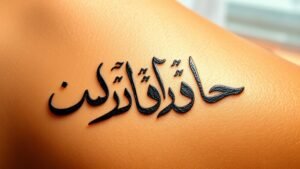

Indian tattoos are more than just body art; they're a reflection of rich cultural narratives and personal identity. Each design carries layers of meaning, often tied to significant life events or spiritual beliefs. Consider how symbols like the Om or tribal patterns connect individuals to their ancestry and environment. As you explore this fascinating domain, you'll uncover how these tattoos serve not only as adornments but as profound expressions of one's self and heritage.
In a Nutshell
- Tattoos in Indian culture signify status, community belonging, and personal milestones, often telling stories passed down through generations.
- Women's tattoos celebrate rites of passage like puberty and marriage, while men's tattoos symbolize bravery and tribal affiliation.
- Spiritual symbols like Om, Lotus Flower, and Trishula convey profound meanings tied to meditation, purity, and protection in Indian beliefs.
- Tribal tattoos reflect unique identities and connections to nature, preserving stories and traditions of indigenous communities through distinct patterns.
- Contemporary Indian tattoos blend traditional symbolism with modern aesthetics, incorporating vibrant colors and innovative designs to express personal narratives.
Historical Significance of Tattoos in Indian Culture
Tattoos in Indian culture aren't just decorative; they carry deep historical significance that reflects societal norms, rituals, and identity.
When you explore these ancient practices, you'll discover that tattoos served as markers of status, community belonging, and personal milestones. Each design tells a story intertwined with cultural rituals, often passed down through generations.
For women, tattoos symbolize rites of passage, celebrating puberty and marriage, while men might wear tattoos as symbols of bravery or tribal affiliation.
Spiritual Symbols and Their Meanings
In the rich tapestry of Indian tattoo culture, spiritual symbols play a significant role, embodying profound meanings that resonate with the beliefs and values of various communities.
These symbols often reflect personal spiritual journeys and cultural beliefs, serving as a bridge between the physical and the metaphysical.
Here are three prominent spiritual symbols you might encounter:
- Om: Represents the essence of the universe, often linked to meditation and spirituality.
- Lotus Flower: Symbolizes purity and enlightenment, emerging beautifully from muddy waters.
- Trishula: The trident associated with Lord Shiva, symbolizing creation, protection, and destruction.
Tribal Tattoos: Identity and Connection to Nature
While exploring the world of Indian tattoos, you'll find that tribal designs serve as a powerful expression of identity and a deep-rooted connection to nature.
These tattoos often embody the stories and traditions of indigenous communities, creating a profound sense of belonging for individuals. Each intricate pattern reflects a unique tribal identity, symbolizing heritage, ancestry, and communal ties.
As you gaze at these designs, you'll notice how they intertwine with elements of nature, like animals, plants, and celestial forms, emphasizing the harmonious relationship between people and their environment.
This connection fosters a deep appreciation for the earth, reminding you of the importance of preserving cultural and natural legacies.
Embracing tribal tattoos allows you to celebrate both personal and collective identities.
The Art of Mehndi: Temporary Tattoos With Deep Roots
Emerging from the rich tapestry of Indian culture, mehndi, or henna, represents a fascinating form of body art that transcends mere decoration. This intricate practice isn't just about aesthetics; it ties deeply to cultural celebrations and personal identity.
You'll find that mehndi application is often a communal activity, fostering connections among friends and family during weddings and festivals.
Here are three key aspects of mehndi:
- Symbolism: Each design holds specific meanings, often associated with love, fertility, and protection.
- Seasonal Celebrations: You'll see mehndi adorning hands during Diwali, Eid, and other festive occasions.
- Temporary Nature: Unlike permanent tattoos, mehndi allows for creativity and self-expression that can evolve with each celebration.
Contemporary Indian Tattoo Trends
As Indian society evolves, contemporary tattoo trends reflect a blend of traditional symbolism and modern aesthetics.
You're likely to notice how modern influences shape designs, merging ancient motifs with innovative techniques. Artists now incorporate vibrant colors and intricate details, moving beyond conventional black ink. This shift not only showcases personal stories but also fosters a sense of community among tattoo enthusiasts.
The rise of tattoo innovations, such as 3D designs and bioluminescent inks, enhances the visual experience, making each piece a unique expression of identity. Many people find belonging in these contemporary expressions, as they navigate their cultural heritage while embracing modernity.
This fusion creates a dynamic space, inviting you to explore your own narrative through the art of tattoos.
Regional Variations in Tattoo Designs
Regional variations in tattoo designs across India reveal a rich tapestry of cultural identities and historical influences. Each region showcases unique traditional motifs that speak to its heritage and beliefs.
You'll find that these regional styles are more than mere art; they embody stories, rituals, and the essence of community.
- Madhubani: Known for intricate patterns, often depicting nature and mythology.
- Tribal: Characterized by bold lines and geometric shapes, reflecting tribal customs and values.
- Warli: Featuring simple, monochrome designs that illustrate daily life and spiritual beliefs.
These tattoos not only adorn the body but also connect you to your roots, celebrating a sense of belonging in a diverse cultural landscape.
Personal Stories: Tattoos as Expressions of Individuality
Tattoos serve as powerful personal narratives that express individuality, weaving personal histories into the fabric of one's skin. Each design you choose reflects your life experiences, beliefs, and aspirations, serving as a canvas for your journey.
These markings hold cultural significance, connecting you to traditions while allowing for personal interpretation. When you wear a tattoo, you're not just showcasing art; you're sharing your story, inviting others to understand your identity.
Your ink can symbolize resilience, love, or transformation, fostering a sense of belonging within a larger community. As you embrace your unique expressions, you empower others to do the same, creating a tapestry of shared experiences and diverse narratives that celebrate individuality within the rich landscape of culture.
Frequently Asked Questions
Are There Specific Colors Associated With Different Indian Tattoo Designs?
Yes, there are specific colors associated with various tattoo designs. Traditional pigments often carry color symbolism, reflecting emotions and cultural significance. Understanding these colors can deepen your appreciation and connection to the art form and its heritage.
How Have Indian Tattoos Influenced Global Tattoo Trends?
You'll notice how Indian tattoos, through cultural exchange, have sparked tattoo evolution worldwide. Their intricate designs inspire artists, creating a sense of belonging among diverse communities that embrace these beautiful symbols and stories in their own ways.
What Are the Common Misconceptions About Indian Tattoo Meanings?
You might believe that all tattoos convey universal meanings, but misconceptions arise when ignoring cultural appropriation and specific tattoo symbolism. Understanding the context enriches your appreciation and fosters deeper connections with the art form.
How Do Indian Tattoos Differ From Western Tattoo Styles?
Indian tattoos often emphasize traditional techniques and cultural significance, reflecting deep-rooted heritage and stories. In contrast, Western styles may focus more on personal expression and aesthetics, highlighting individuality rather than collective cultural narratives.
Can Anyone Get an Indian Tattoo, Regardless of Cultural Background?
You can get an Indian tattoo, but consider cultural appropriation and tattoo ethics. Understanding the symbolism and respecting its origins fosters appreciation, ensuring your choice reflects genuine admiration rather than a superficial trend.