
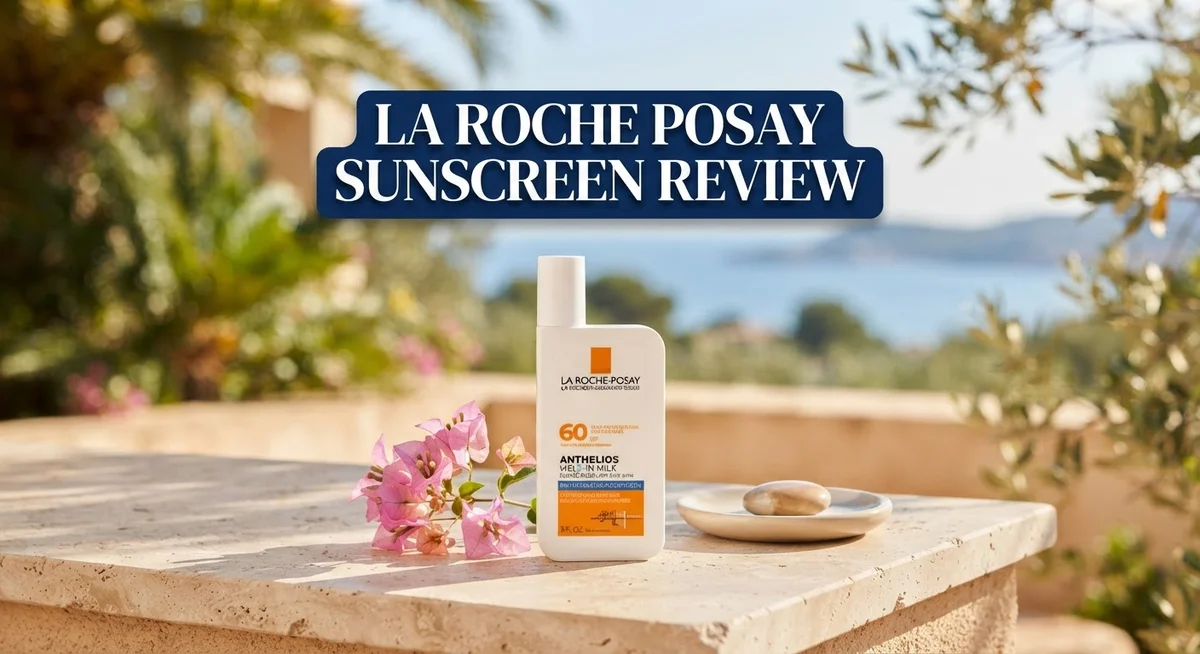
Sun protection matters more than ever today. Your skin faces UV rays every single day, even when clouds cover the sky.
La Roche Posay sunscreen has become a trusted name for millions of users. Dermatologists often recommend this brand for sensitive skin types.
But does it truly live up to the hype? This review digs into real facts and honest findings.
We will look at key ingredients like zinc oxide and titanium dioxide. These components help shield your skin from harmful UVA and UVB rays.
The brand uses Cell Ox Shield technology to boost protection. This blend includes antioxidants like Vitamin E and thermal spring water.
By the end of this review, you will know if this sunscreen fits your daily routine. Let’s explore what makes this product a popular choice among skincare lovers.
In a Nutshell
Here is what you need to know about La Roche Posay sunscreen before you buy it.
- Dermatologists often recommend this brand. It suits sensitive skin types well. Many users with reactive skin trust it daily.
- Broad spectrum protection covers both UVA and UVB rays. This shields your skin from burning and premature aging. You get complete coverage in one bottle.
- Oil free formulas exist for acne prone skin. These options do not clog pores. Your skin stays clear and protected at once.
- Absorption feels smooth on most skin types. The texture does not feel heavy or greasy. Many reviewers call it comfortable for daily wear.
- Some mineral versions leave a white cast. This happens more on deeper skin tones. It may take extra blending to fix.
- A few users report slight eye stinging. This can happen during heavy sweating or swimming. Rinse eyes if this occurs.
- Competitors like Bioré and Sand and Sky offer similar protection. These brands provide alternative textures and finishes. They give you more choices for your routine.
Key Ingredients and Sun Protection Technology
La Roche Posay sunscreens work through a combination of physical and chemical blockers. The mineral formulations use zinc oxide and titanium dioxide as active ingredients. These sit on your skin’s surface and reflect UV rays away before they cause damage.
Chemical sunscreens in their range contain ethylhexyl salicylate and ethylhexyl triazone. These absorb UV energy and convert it into heat. The brand combines both types across different product lines to match various skin needs.
The standout feature is Cell Ox Shield technology. This system pairs sun filters with antioxidants like Senna Alata extract and Vitamin E. La Roche Posay’s thermal spring water also gets added to the mix. Together, these ingredients fight free radical damage that UV exposure creates.
Broad spectrum coverage matters because it protects against both UVA and UVB rays. UVB rays cause sunburn, while UVA rays penetrate deeper and trigger aging signs. La Roche Posay formulations block both types. This dual action prevents immediate damage and long term skin changes.
Different formulas serve specific purposes. The Ultra Light Fluid works best for daily use under makeup. The Clear Skin Oil Free option suits acne prone skin without triggering breakouts. Mineral versions provide gentler protection for sensitive skin types.
The technology behind absorption makes a real difference. Most La Roche Posay sunscreens absorb quickly without leaving a sticky residue. Your skin feels comfortable throughout the day. The lightweight texture means you will actually wear it consistently.
Antioxidant support sets this brand apart from basic sunscreen options. The added botanical extracts and vitamins do more than block rays. They also calm skin inflammation and reduce oxidative stress. This extra layer of protection appeals to people with reactive or compromised skin barriers.
The formulation science reflects dermatological research. Each product targets specific concerns while maintaining core UV protection. Whether you need mineral coverage, oil free formulas, or enhanced antioxidant support, La Roche Posay offers options backed by ingredient science rather than marketing alone.

- Potent Mineral Formula for Natural Suncreen Protection: This lightweight 100% mineral tinted faces sunscreen with...
- Subtle & Blendable Tint for a Flawless, Glowy Look: The fast-absorbing, blendable texture leaves a tinted matte...

Last update on 2026-08-07 / Affiliate links / Images from Amazon Product Advertising API
Texture, Application, and Absorption
La Roche Posay sunscreens come in several different textures. Each formula feels distinct on your skin. The Mineral SPF 40-50 has a thicker, creamier base. The Ultra Light Fluid SPF 60 feels almost weightless. The Invisible Fluid SPF 50+ lives up to its name with a nearly undetectable finish.
Application is straightforward across all formulas. You dispense a small amount and spread it evenly across your face and neck. Most users report that the product spreads smoothly without tugging or pulling your skin. The formulas blend in quickly, which means you spend less time waiting before applying makeup or sunglasses.
Absorption speed varies by formula. The oil free options absorb fastest, typically within 2 to 3 minutes. This matters if you have acne prone skin because faster absorption means less pore clogging. The mineral versions take slightly longer to absorb, usually 5 to 7 minutes. This is normal for physical blockers that sit on your skin’s surface.
One real consideration is the white cast. Mineral formulations contain zinc oxide and titanium dioxide, which can leave a visible white tint. On lighter skin tones, this is minimal. On deeper skin tones, the white cast becomes more noticeable. If this bothers you, the chemical based options absorb more transparently.
The texture itself feels non greasy on most skin types. You won’t experience that heavy, suffocating feeling some sunscreens create. Instead, the formulas feel lightweight and breathable. Many users appreciate that they can wear these sunscreens daily without discomfort.
One drawback some users mention involves eye irritation. During heavy sweating or swimming, the sunscreen can migrate toward your eyes and cause mild stinging. This happens more often with the Fluid formulas than the Mineral version. If you have sensitive eyes, test the product on a small area first.
Overall, La Roche Posay sunscreens offer practical textures that work well for daily use. The absorption feels smooth, and application takes minimal effort. Choose the formula that matches your skin type for the best experience.
Skin Types and Suitability
La Roche Posay offers multiple formulations designed to match different skin needs. Each version addresses specific concerns, so finding your match becomes straightforward.
Sensitive skin types benefit most from this brand. The formulas contain minimal irritants and work well for reactive complexions. Dermatologists often recommend these sunscreens for people with conditions like rosacea or eczema prone skin. The gentle approach means fewer breakouts or flare ups.
Acne prone skin has dedicated options too. The oil free formulas prevent pore clogging while delivering sun protection. These versions absorb quickly without leaving residue behind. Your skin stays matte and clear throughout the day.
Dry skin types find comfort in the hydrating versions. These formulations contain humectants that draw moisture into your skin. You avoid that tight, uncomfortable feeling that some sunscreens create. The texture glides on smoothly without tugging or patching.
Oily and combination skin work well with the ultra light fluid options. These formulas feel weightless and vanish into your skin fast. You get protection without shine or greasiness. The mattifying effect lasts through your morning routine.
Deeper skin tones should note the white cast factor. Mineral versions contain zinc oxide and titanium dioxide, which sit more visibly on darker complexions. The invisible fluid and clear skin oil free options work better for these skin tones. Testing before full application helps you avoid disappointment.
Normal skin types enjoy flexibility across the entire range. You can choose based on texture preference or specific concerns like anti aging benefits. Most formulas perform equally well on balanced complexions.
One important detail: eye sensitivity varies by person. Some users experience mild stinging during intense sweating or swimming. If you have sensitive eyes, apply carefully around the orbital area. Start with less product near the eyes and adjust as needed.
The key is matching the formula to your specific skin profile. La Roche Posay makes this selection process simple because each version serves a clear purpose. Your skin type determines which option works best for daily protection and comfort.
Top 3 Alternatives
Neutrogena Ultra Sheer Sunscreen

- Lightweight, fast-absorbing sunscreen lotion: With broad spectrum SPF 70 primes skin for makeup and helps improve...
- Non-comedogenic sunscreen: Free of oil, oxybenzone, and PABA, in a non-greasy lotion with a smooth, matte finish...
Last update on 2026-08-28 / Affiliate links / Images from Amazon Product Advertising API
Neutrogena Ultra Sheer Sunscreen offers lightweight protection without the greasy feel. This formula absorbs quickly into your skin, making it ideal for daily use. The sunscreen provides broad-spectrum coverage against UVA and UVB rays.
Many users appreciate how this product doesn’t clog pores or leave a white cast. It works well under makeup and moisturizers. The sheer texture makes reapplication easy throughout the day.
CeraVe Face Sunscreen

- [ INVISIBLE MINERAL SUNSCREEN FOR FACE ] Mineral sunscreen for all skin tones and skin types, offers 100% invisible...
- [ MINERAL SUNSCREEN APPLICATION ] High protection mineral sunscreen for face with no white cast. Shake well before...
Last update on 2026-08-28 / Affiliate links / Images from Amazon Product Advertising API
CeraVe Face Sunscreen combines sun protection with skin-care benefits. This formula includes ceramides and hyaluronic acid to keep your skin hydrated. It’s fragrance-free, making it suitable for sensitive skin types.
The sunscreen has a smooth, non-greasy finish that feels comfortable on the face. It blends easily without leaving residue. Many dermatologists recommend CeraVe products for their gentle yet effective approach to skincare.
Coppertone Sport Sunscreen

- EASY TO APPLY: Coppertone Sport spray sunscreen has a continuous sprayer for application on any angle, and is easy...
- UVA/UVB SUN PROTECTION: Broad Spectrum sunscreen stops up to 98 percent of UVA/UVB rays to combat the effects of...
Last update on 2026-08-07 / Affiliate links / Images from Amazon Product Advertising API
Coppertone Sport Sunscreen delivers reliable protection for active lifestyles. This formula resists water and sweat, making it perfect for outdoor activities and sports. The product provides strong broad-spectrum coverage.
The sunscreen has a familiar, accessible formula that many families trust. It applies smoothly and doesn’t feel heavy on the skin. Coppertone Sport works well for those who need durability during physical activities or beach days.
Each of these alternatives offers different benefits. Neutrogena focuses on lightweight, pore-friendly protection. CeraVe emphasizes hydration and sensitive skin care. Coppertone Sport prioritizes durability and water resistance. Your choice depends on your skin type, activities, and personal preferences.
Formulation Comparison: Mineral vs. Fluid Options
La Roche-Posay offers two distinct sunscreen categories. Each serves different skin concerns and preferences.
Mineral formulations use zinc oxide and titanium dioxide as physical blockers. These ingredients sit on your skin and reflect UV rays away. Mineral options typically deliver SPF 40 to 50 protection. They work well for sensitive skin since physical blockers rarely irritate. The main trade-off is the white cast these formulations can leave behind, especially on deeper skin tones.
Fluid options include the Ultra Light Fluid, Invisible Fluid, and Clear Skin Oil-Free varieties. These use chemical blockers like ethylhexyl salicylate and ethylhexyl triazone. Chemical sunscreens absorb into your skin and convert UV rays into heat. Fluid formulations typically offer higher SPF levels, ranging from SPF 50 to 60. They disappear into skin without visible residue.
The absorption experience differs significantly between the two. Mineral formulas feel thicker and may require more rubbing to blend. Fluid options sink in quickly and feel lightweight on application. If you have oily skin, the fluid versions feel more comfortable throughout the day.
Texture matters for daily use. Mineral sunscreens have a creamy consistency. Fluids feel almost weightless and won’t clog pores. For acne-prone skin, the oil-free fluid options prevent breakouts while protecting.
Both categories include Cell-Ox Shield technology with antioxidants. Senna Alata, Vitamin E, and thermal spring water support skin health. This means you get anti-aging benefits beyond sun protection alone.
Your choice depends on skin type and concerns. Sensitive skin typically prefers mineral formulations despite the white cast. Oily, acne-prone, or combination skin benefits from fluid options. Dry skin can use either, though fluids feel more comfortable for daily wear.
Neither formulation is objectively better. They simply address different needs. Test both types to see which fits your routine and skin response best.
Results and Long-Term Skin Benefits
After consistent use, La Roche-Posay sunscreens deliver visible improvements to your skin’s health and appearance. Users typically notice clearer, more even-toned skin within 4 to 6 weeks of daily application.
The Cell-Ox Shield technology works over time to protect against environmental damage. This system combines Senna Alata extract, Vitamin E, and thermal spring water to neutralize free radicals. Your skin feels less stressed and shows fewer signs of sun damage accumulation.
Long-term sun protection prevents premature aging. Consistent use reduces fine lines, dark spots, and rough texture that develop from UV exposure. The antioxidants in these formulas help your skin repair itself naturally while you sleep.
Sensitive skin users report fewer flare-ups when they switch to La Roche-Posay. The gentle formulations calm reactive skin over weeks of regular use. Inflammation decreases, redness fades, and your skin barrier strengthens gradually.
For acne-prone skin, the oil-free options prevent breakouts while protecting against sun damage. Many users find their skin clears up faster because UV rays no longer trigger inflammation. The clear skin formula specifically targets congestion without clogging pores.
Hydration improves significantly with the fluid versions. These formulas contain humectants that draw moisture deep into your skin. After several weeks, your complexion looks plumper, smoother, and more radiant.
The broad-spectrum UVA and UVB protection means your skin stays younger-looking over years of use. You avoid the leather-like texture and age spots that come from unprotected sun exposure.
Most dermatologists recommend these sunscreens for long-term skin health. Regular use prevents sun damage from compounding, which is why consistency matters more than any single application.
Your skin adapts well to these formulas. Users rarely experience irritation or sensitivity issues that might interrupt their routine. This means you can actually stick with daily protection, which is the real secret to visible results.
The combination of immediate comfort and long-term benefits makes La Roche-Posay sunscreens worth using every single day.
Pros and Cons
Pros
- Dermatologist recommended and works well for sensitive skin types without irritation
- Broad spectrum UVA and UVB protection prevents premature aging and sun damage
- Oil free options available for acne prone skin help prevent breakouts while protecting
- Fast absorption and lightweight feel make daily application easy and comfortable
- Cell Ox Shield technology with antioxidants provides extra environmental defense
Cons
- Mineral formulations can leave a white cast on deeper skin tones
- Some users report the sunscreen stings their eyes during application
- Premium positioning means you invest more compared to mass market alternatives
Who Should Buy It
La Roche-Posay sunscreen works best for people with specific skin needs. If your skin gets irritated easily, this brand is an excellent match for you. The formulations are dermatologist-approved and designed to calm sensitive skin without causing reactions.
Acne-prone skin types benefit significantly from the oil-free options. These versions prevent breakouts while still delivering full sun protection. You won’t experience the greasy feeling that other sunscreens leave behind. Your pores stay clear, and your skin stays protected.
If you spend time outdoors regularly, you need broad-spectrum UVA and UVB coverage. La Roche-Posay delivers this protection across all formulations. Athletes, outdoor workers, and frequent travelers should consider this brand seriously.
People concerned about aging should pay attention to the Cell-Ox Shield technology. This feature includes antioxidants that fight environmental damage beyond just UV rays. Your skin gets extra defense against pollution and free radicals. Over time, this means fewer fine lines and a more youthful appearance.
The mineral versions suit people who prefer physical blockers over chemical ones. If you want zinc oxide and titanium dioxide as your active ingredients, these options work perfectly. However, be aware that deeper skin tones may notice a white cast from mineral formulations.
Those with dry skin will appreciate the fluid versions. The Ultra Light Fluid and Invisible Fluid absorb quickly without leaving a sticky residue. Your skin feels hydrated, not parched, after application.
Budget-conscious buyers should know this is a premium choice. You’re investing in dermatologist-backed science and proven results. The quality justifies the investment if you have sensitive or problematic skin.
People who dislike heavy textures love how these sunscreens feel. They don’t sit on top of your skin or feel greasy. Daily application becomes easy and enjoyable rather than a chore.
If you’ve tried other sunscreens and experienced stinging or irritation, La Roche-Posay deserves a chance. The brand’s focus on gentle, effective protection makes it ideal for anyone frustrated with standard options. Your skin type and specific concerns should guide your final decision about which formulation fits you best.
Final Verdict
La Roche-Posay sunscreen stands out as a trustworthy choice for daily sun protection. Dermatologists across the globe recommend this brand for good reason. The range covers different skin types and lifestyle needs effectively.
Choosing between formulations comes down to your daily routine. Athletes and outdoor workers benefit from sweat-resistant options. Office workers who need light daily coverage will find the fluid textures easy to layer under makeup.
Compared to competitors like Bioré UV Aqua Rich or K-beauty alternatives, La Roche-Posay offers a more clinical approach. The brand focuses on skin science rather than trendy formulas. This makes it a reliable pick for people who want proven results.
Testing and quality control set this brand apart from many drugstore options. Each product undergoes rigorous dermatological testing before launch. This gives users confidence that the formula works as promised.
Packaging design also deserves mention. Bottles feel sturdy and travel well in gym bags or beach totes. Pump dispensers make application clean and mess free.
For people new to sunscreen shopping, the variety might feel overwhelming at first. Start with a fluid or mineral option based on your skin type. Testing a small amount on your wrist helps you gauge comfort before full application.
This brand works well for families too. Many formulations suit both adults and older children with sensitive skin. Always check specific product labels for age recommendations though.
If you want a sunscreen that blends science with daily comfort, this brand delivers. It fits into simple morning routines without extra hassle. Skin feels protected and cared for throughout the day.
Overall, La Roche-Posay earns its strong reputation through consistent performance. The brand rarely disappoints users who follow proper application habits. It remains a smart choice for anyone serious about long term skin health.
Your final decision should reflect your unique skin goals. Whether you prioritize hydration, oil control, or anti-aging benefits, there is likely a formula that fits. This makes La Roche-Posay a flexible, dependable partner in your skincare journey.
Frequently Asked Questions
Which La Roche-Posay sunscreen works best for acne-prone skin?
The Clear Skin Oil-Free SPF 60 is your best match. This formula removes excess oil without stripping your skin. It prevents breakouts while delivering broad-spectrum protection. The lightweight texture absorbs quickly into your pores.
Many dermatologists recommend this version for people who struggle with congestion. You won’t feel greasy by midday, which matters if you wear makeup or spend hours at your desk.
Does La Roche-Posay sunscreen leave a white cast?
The mineral versions (SPF 40-50) do leave some white residue, especially on deeper skin tones. These use zinc oxide and titanium dioxide as physical blockers. They sit on top of your skin rather than absorbing completely.
If white cast bothers you, try the Ultra Light Fluid SPF 60 or Invisible Fluid SPF 50+ instead. These blend faster and disappear into your complexion within minutes.
What makes Cell-Ox Shield technology different?
This technology combines three powerful elements: Senna Alata, Vitamin E, and thermal spring water. Together they fight free radicals from pollution and UV rays. You get sun protection plus anti-aging defense in one step.
Think of it as a shield within your sunscreen. Regular sunscreens block UV rays. La Roche-Posay’s formula also neutralizes environmental damage before it ages your skin.
Can this sunscreen irritate sensitive eyes?
Some users report stinging during application. This happens more with the oil-free formulas. If your eyes are particularly reactive, apply sunscreen carefully around that area. Let it dry completely before opening your eyes wide.
Test a small amount first. Most people experience no irritation once they find their ideal application technique.


